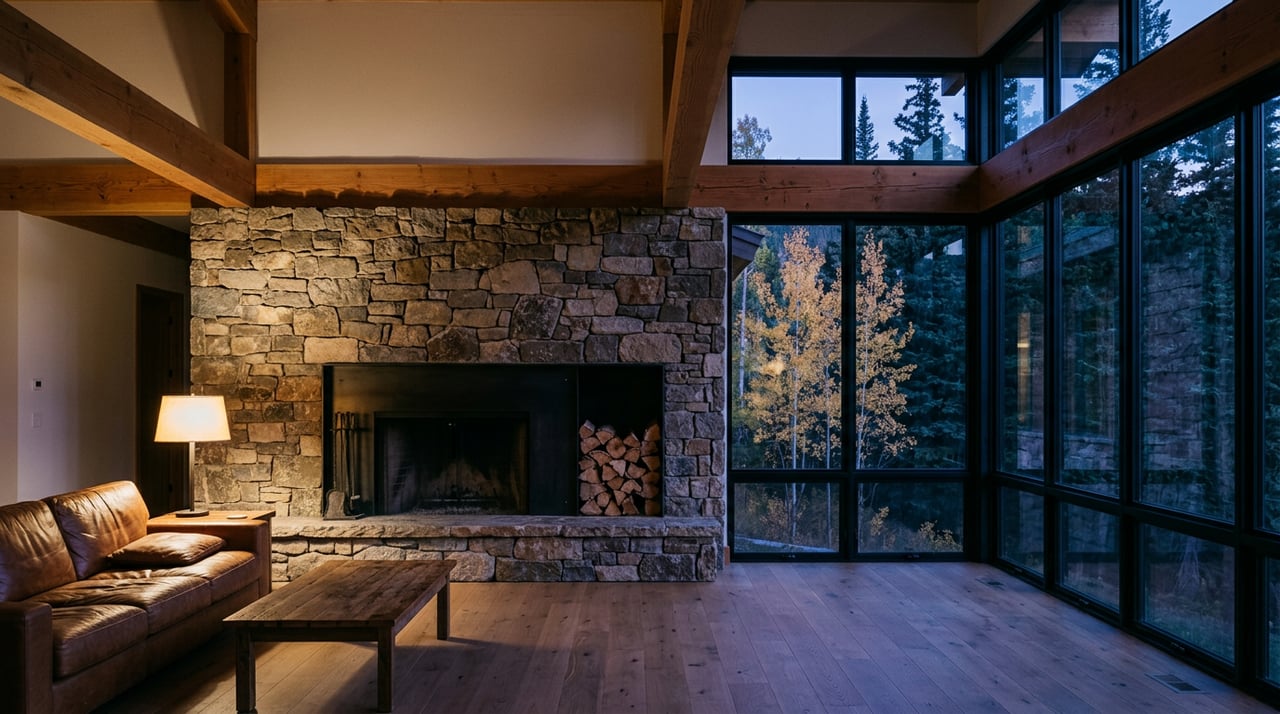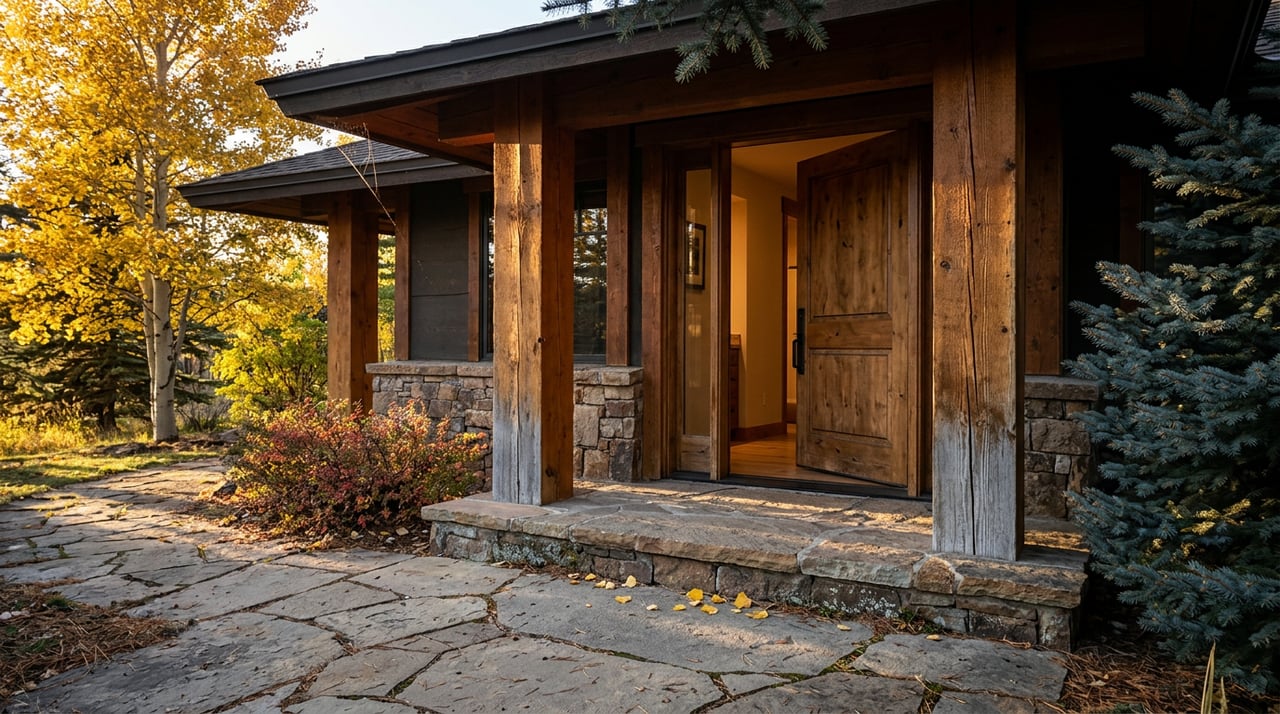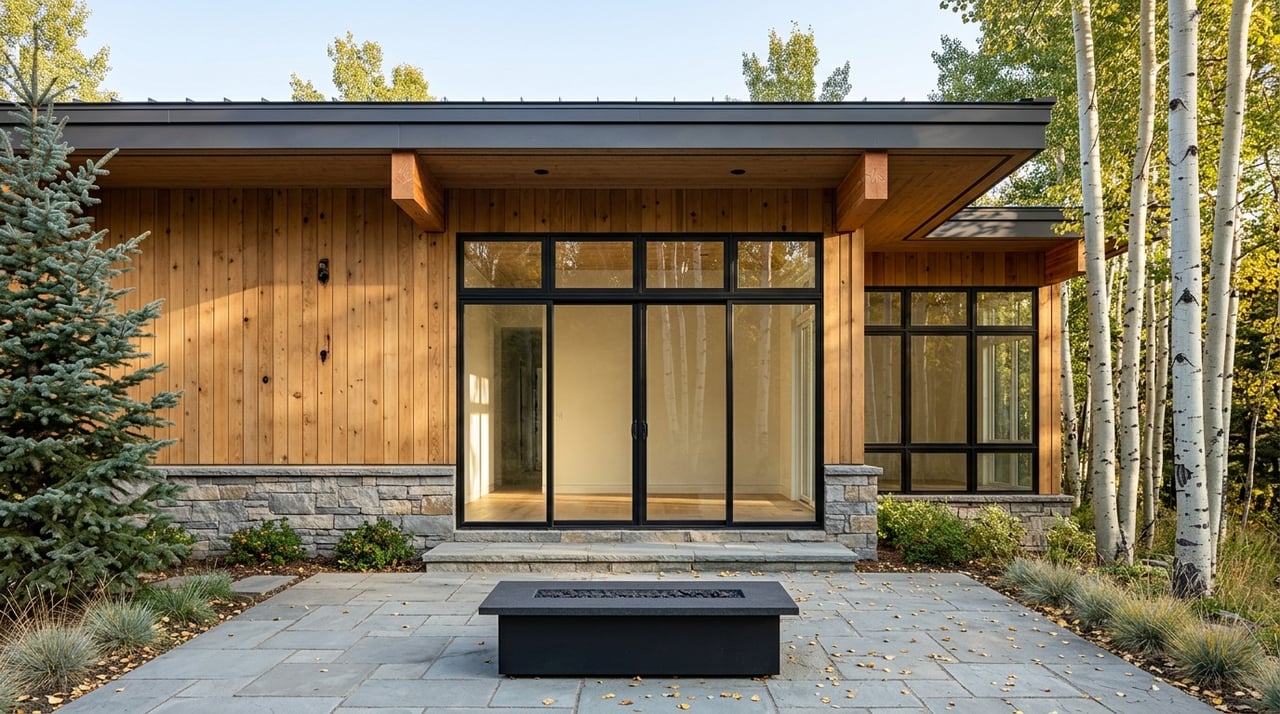
Wondering whether Snowmass Village is the right place for your mountain home? That question matters more here than in many resort markets because Snowmass offers a very specific lifestyle: slopeside convenience, four-season recreation, and a village layout designed around transit and activity hubs. If you are weighing lifestyle, access, and rental potential, this guide will help you see where Snowmass Village shines and where it may ask a bit more from owners. Let’s dive in.
What Snowmass Village Feels Like
Snowmass Village is not just a ski destination with homes around it. It is a home-rule municipality in Pitkin County with a planned village structure that was designed to echo Alpine ski villages. That planning approach still shapes daily life, with development centered around existing nodes and transit rather than broad mountain sprawl.
For you as a buyer, that means the experience can feel more connected and intentional than in a spread-out resort area. You are often choosing into a village system, not just a property. That difference can be a major advantage if you want convenience and a clear community core.
Why Access Is a Big Advantage
One of Snowmass Village’s biggest strengths is how easy it is to reach. The village is about 6 miles from Aspen/Pitkin County Airport, and local travel guidance notes a free airport shuttle. For many second-home buyers, that kind of short transfer can make frequent visits far more realistic.
If you drive from Denver, Snowmass is about 190 miles away, or roughly a 4-hour trip. In winter, Independence Pass is closed, so Front Range access generally funnels through the I-70 and Highway 82 route. That is useful to understand if you expect to use your home regularly in ski season.
Once you arrive, getting around is easier than many mountain buyers expect. The free Village Shuttle runs eight routes, with combined service between Snowmass Center and the Village Mall every 10 minutes from early morning until after midnight. RFTA buses connect Snowmass Village with Aspen and the broader Roaring Fork Valley, and additional options like the Sky Cab gondola in summer and WE-cycle e-bikes support a more car-light routine.
Four-Season Living Is the Real Story
Snowmass is a serious ski mountain, but it is not only a winter market. Aspen Snowmass lists 3,342 acres of terrain, 98 trails, 20 lifts, a 4,440-foot vertical rise, and about 300 inches of average annual snowfall. The terrain mix includes 5% beginner, 48% intermediate, 17% advanced, and 30% expert terrain, which gives the mountain broad appeal across different ability levels.
That said, the bigger lifestyle story may be what happens outside ski season. GoSnowmass highlights more than 90 miles of hiking, biking, and equestrian trails, plus disc golf, rodeos, concerts, and summer festivals. The Lost Forest adds activities like an alpine coaster, zip lines, ropes elements, climbing, fishing, and trail access.
If you want a mountain home that stays active beyond peak winter weeks, Snowmass checks that box well. For many buyers, that four-season utility supports both personal enjoyment and stronger occupancy interest when a property is rented. It also helps Snowmass feel like a place you use repeatedly, not just a place you visit for one season.
Community Amenities Add Everyday Ease
A mountain home works best when daily life feels simple, not just scenic. In Snowmass Village, Town Park plays a central role because it offers one of the main flat, green public gathering spaces in town. It includes the rodeo grounds, recreation center, multipurpose fields, a skate park, tennis courts, and links into the trail and transit systems.
That matters because it gives the village a more lived-in feel. Instead of activity being limited to the lifts and resort core, there is a broader community framework that supports year-round use.
The Snowmass Village Recreation Center adds another layer of livability. According to the town, it is open seven days a week and offers classes such as yoga and indoor cycling, along with year-round pools and hot tubs. When you pair that with 30-plus restaurants, live music, and frequent events, Snowmass starts to feel more complete as a home base.
What Types of Homes You Will Find
If you are picturing endless detached-home inventory, Snowmass Village may feel tighter than expected. The town manages eight rental apartment complexes with about 300 units and oversees roughly 150 deed-restricted sale units. It also reports a waiting list for town rentals, which signals how limited supply can be.
The local housing stock spans single-family homes, townhomes, and condominiums. Still, condominium-style ownership is especially prominent in the resort core. In many cases, buyers who say they want a Snowmass base-area lifestyle are looking for a slopeside or near-slopeside condo with easy access to dining, transit, and recreation.
That setup can be ideal if you value convenience and lower-friction ownership. It may be less ideal if you want a large pool of unrestricted detached homes with fewer shared-property considerations.
Snowmass May Be Right for You If You Want Convenience
Snowmass Village tends to fit buyers who want a resort-forward lifestyle with strong mobility and outdoor access. If you love the idea of arriving at the airport, getting to your home quickly, and relying less on a car once you are there, Snowmass stands out.
It can also be a strong fit if you want a home that supports both personal use and thoughtful rental strategy. Properties in core resort nodes often appeal to guests who prioritize walkability, slopeside access, and a turnkey experience. Those factors can matter when you think about long-term enjoyment and operational performance.
For lifestyle buyers, Snowmass is especially compelling if you want recreation built into your routine. Skiing, hiking, biking, events, and community amenities are woven into the village structure rather than sitting far apart.
Snowmass May Be Less Ideal If You Want Flexibility
Every market has tradeoffs, and Snowmass Village is no exception. If your ideal mountain town includes a broad traditional downtown, a large supply of unrestricted detached homes, or minimal governance layers, Snowmass may feel more structured than you want.
Ownership here can involve details that deserve close review. Depending on the property, that may include HOA rules, parking logistics, transit patterns, and local wildlife-related considerations. The town’s planning approach is part of what makes Snowmass appealing, but it can also mean a more managed ownership experience.
That does not make Snowmass harder in a negative sense. It simply means you benefit from going in with clear expectations and careful due diligence.
Rental Rules Matter More Than Buyers Expect
If rental income is part of your plan, Snowmass Village requires extra attention. The town says hosts need both a business license and a permit to offer a short-term rental. It currently defines four permit types, including a category for single-family homes and duplexes.
The town’s current framework also sets the short-term-rental permit fee at $400 and uses an April 30 annual expiration date for permits. The application process asks for HOA and parking information, which shows how property-level details can directly affect rental use.
For you, the takeaway is simple: do not assume every property fits the same rental strategy. In Snowmass, rental performance is tied not only to location and design, but also to compliance, building rules, and operational readiness.
Small-Town Details You Should Know
Snowmass Village has a few everyday quirks that can surprise new owners. The town’s new resident information says there is no mail delivery inside town limits, so residents use a P.O. box. Some neighborhoods may also require a resident parking permit.
The town also notes that childcare is very limited. Public school attendance is through the Aspen School District. For buyers planning longer stays or family use, these practical details are worth understanding early.
Snowmass is also a rural community surrounded by open space and wildlife. The town maintains seasonal trail-closure information as part of its wildlife protection program, which reflects the balance between recreation and environmental stewardship.
How to Decide if Snowmass Fits You
A good mountain-home decision starts with how you actually plan to live in the property. If you want slopeside convenience, easy airport access, strong four-season recreation, and a village designed to help you move around without much driving, Snowmass Village offers a compelling match.
If you want more independence from resort systems, broader detached-home inventory, or a less structured ownership environment, you may want to compare Snowmass with other Roaring Fork Valley options. The right answer depends on whether you value convenience and resort integration more than flexibility and scale.
For many buyers, Snowmass works best when you evaluate it through both a lifestyle lens and an ownership lens. That means looking closely at access, home type, rental rules, HOA considerations, and how often you expect to use the property across all four seasons.
If you are considering Snowmass Village for a second home, lifestyle purchase, or investment-minded mountain property, working with an advisor who understands both the guest experience and the ownership math can help you make a smarter choice. To talk through your goals, connect with Lindsey Lane Bush.
FAQs
Is Snowmass Village a good place for a second home?
- Snowmass Village can be a strong second-home choice if you want easy access from Aspen/Pitkin County Airport, a car-light village layout, and year-round recreation built around the resort core.
What types of homes are common in Snowmass Village?
- Snowmass Village includes single-family homes, townhomes, and condominiums, but condo-style living is especially prominent in the resort core.
Can you rent out a home in Snowmass Village?
- Yes, but short-term rentals require both a business license and a town permit, and the application process includes property-specific details such as HOA and parking information.
Is Snowmass Village only active during ski season?
- No, Snowmass offers four-season activities including hiking, biking, disc golf, rodeos, concerts, festivals, and recreation amenities beyond the winter season.
What should buyers know about daily life in Snowmass Village?
- Buyers should know that there is no mail delivery within town limits, some neighborhoods may require parking permits, childcare is limited, and seasonal wildlife-related trail closures can affect access in some areas.