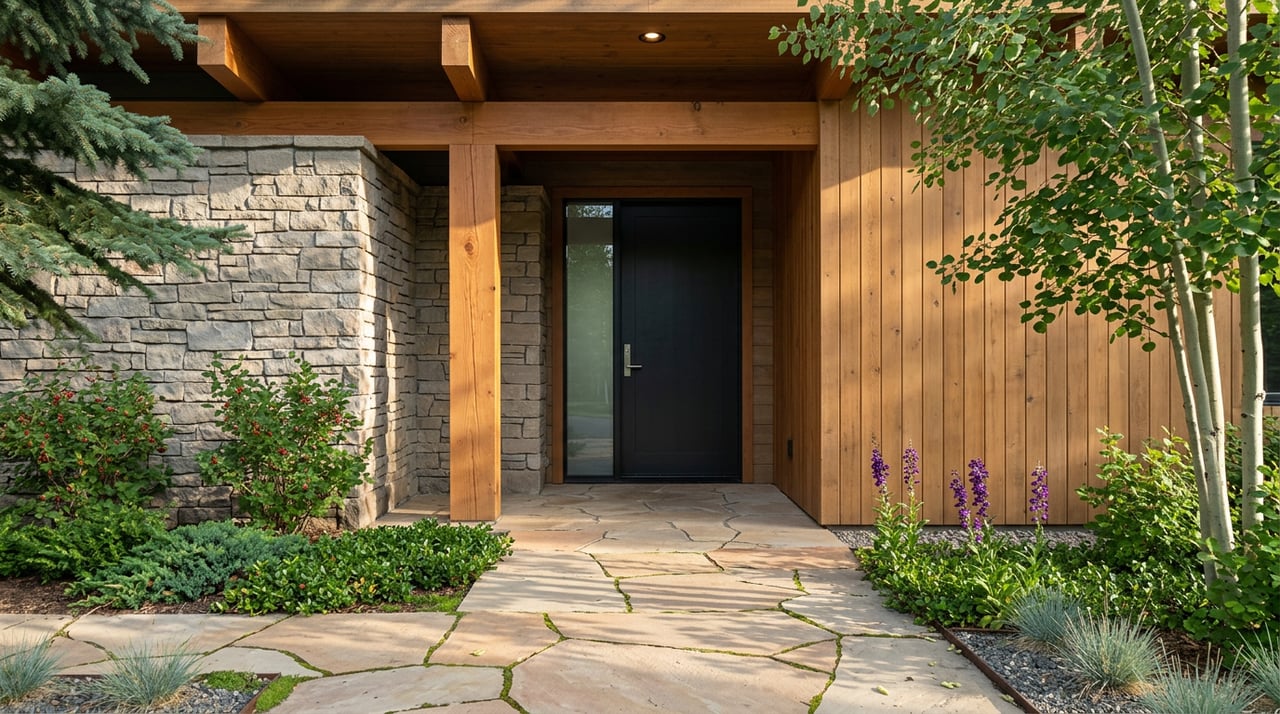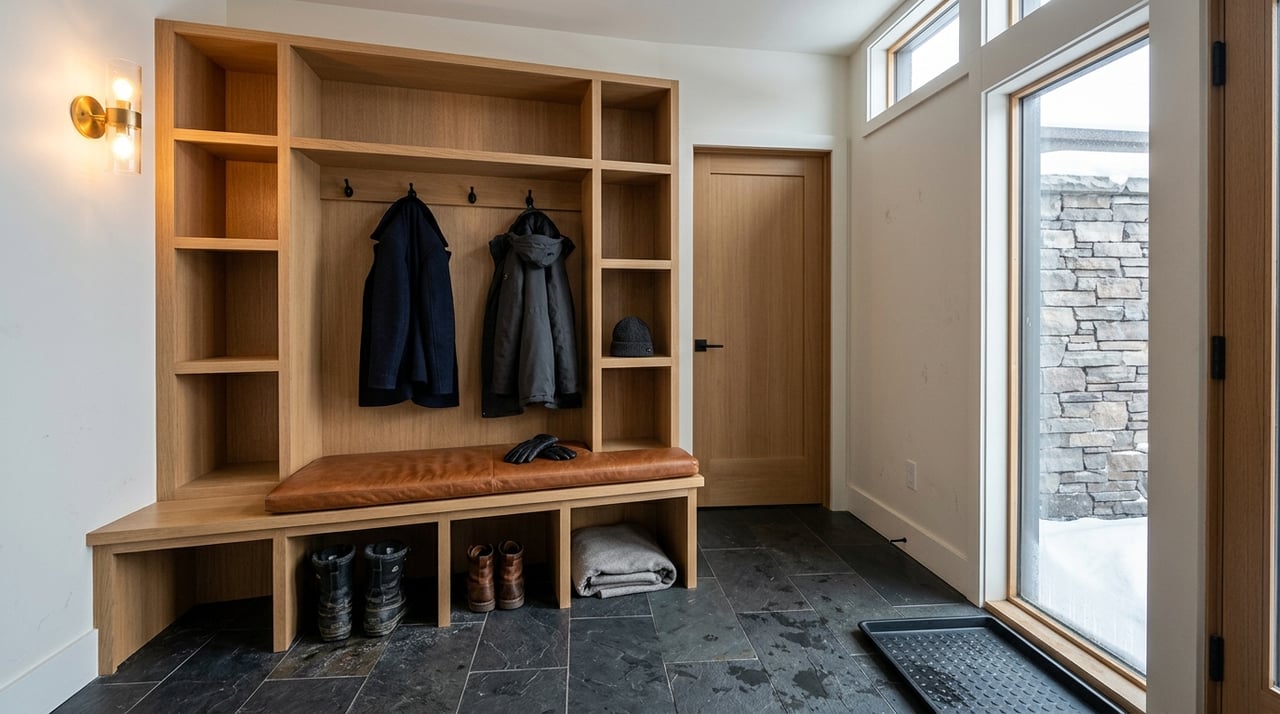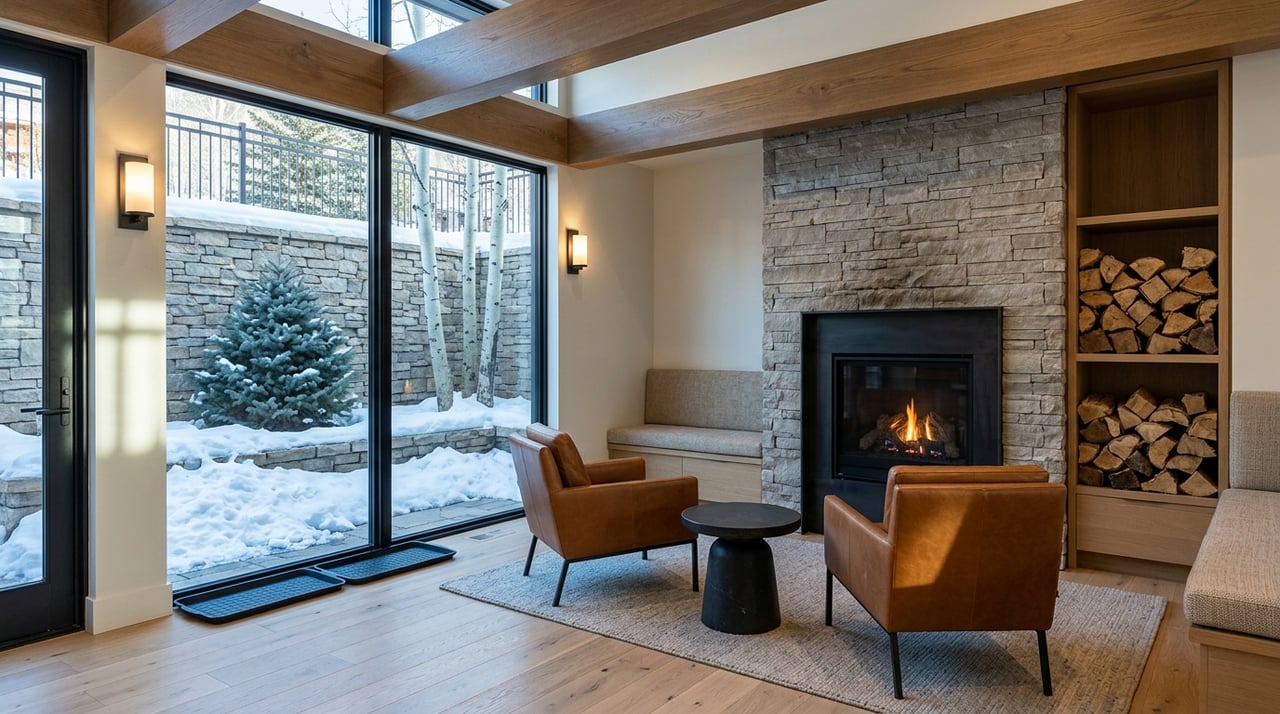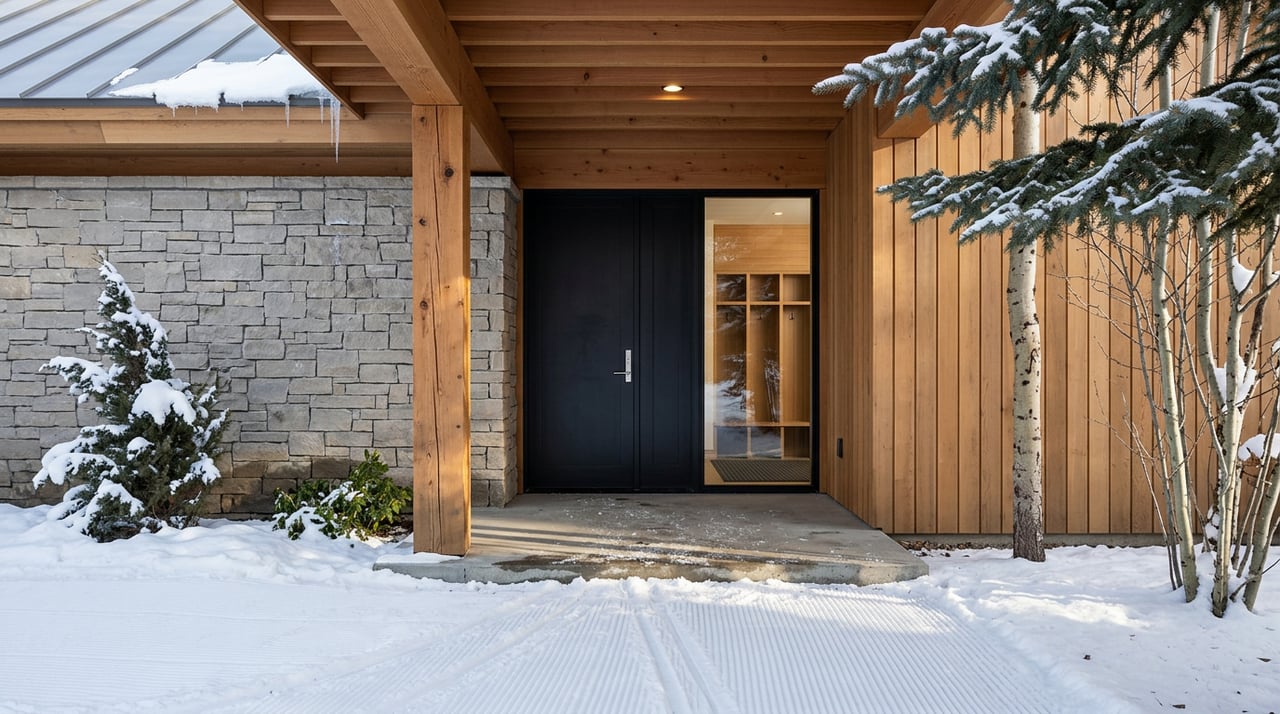
Public listing feeds tell a clean story. As of spring 2026, Snowmass Village shows 49 ski-in/ski-out condos at a median list of $3.42 million, sitting roughly 15 percent above the broader 116-condo pool at $2.97 million. The obvious read is that direct slope access carries a location premium.
That read is incomplete. A meaningful share of the premium in Snowmass Village is regulatory, not geographic. It attaches to a small set of buildings that hold Type 1 short-term rental status with the town, and it prices in a rental-operating flexibility that most "ski-in/ski-out" condos in the resort simply do not have. If you underwrite the yield without underwriting the permit category, you are solving the wrong equation.
The Premium, Measured
The market context matters before the mechanism does. Snowmass Village entered 2026 buyer-leaning: as of February 2026, the town showed 100 active listings, 11.1 months of supply, a median sale price of $4.885 million, and median days on market of 33. Within the condo segment specifically, closed data from local brokerages reported a $2.95 million median closed sale price over the trailing 180 days, an average of 104 days on market for sold listings, and roughly $2,205 per square foot.
Against that backdrop, ski-in/ski-out condos are trading at the top of the condo band, and a recent transaction anchors the ceiling: 144 Bridge Ln, a ski-in/ski-out home in Snowmass Village, closed on March 2, 2026 at $15.25 million, or $3,040 per square foot, furnished.
A $450,000 median gap between the ski-in/ski-out subset and the broader condo pool is real. The question is what portion of it a buyer is paying for slope proximity and what portion is paying for the ability to run the unit as lodging.
Why A Handful Of Buildings Carry Most Of The Premium
The Town of Snowmass Village uses four short-term rental permit categories. The distinction between them is not cosmetic. It determines whether a unit can be marketed as nightly lodging with hotel-style operations or whether it operates under owner-operator constraints that limit how the asset can be run.
According to the town's own FAQ, Type 1 applies only to Viewline, Limelight, Wildwood, and Mountain Chalet. Type 2 requires the building or planned unit development to contain at least 25 dwelling units, use centralized check-in, property management, and unit management, with at least 67 percent of units expected to participate. Type 3 and Type 4 cover condominiums, duplexes, and single-family homes operating without that lodging infrastructure, and they carry the strictest owner-operator obligations.
| Permit Type | Who Qualifies | Operating Profile |
|---|---|---|
| Type 1 | Viewline, Limelight, Wildwood, Mountain Chalet | Hotel-style, centralized front desk |
| Type 2 | 25+ unit buildings with centralized management and 67% participation | Managed condominium program |
| Type 3 | Condominium units outside the above | Owner-operator with permit displayed inside unit |
| Type 4 | Duplex and single-family | Owner-operator with permit displayed inside unit |
A condo can sit within a quarter mile of the same lift as a Type 1 unit and still fall into Type 3 because the building lacks the size, staffing, or participation threshold. The label on a listing feed does not adjudicate that. The town's classification does.
The 2026 Rules That Change The Yield Math
Three regulatory changes that took effect around the turn of the year deserve a place in any 2026 underwriting model.
Permit fee and unified expiration. Effective January 1, 2026, the STR permit fee moved to $400 annually, and all permits now expire on April 30. Renewals due between January and March 2026 were assessed prorated fees, with the standard $400 renewal valid through April 30, 2027 for permits renewed in April 2026 or later.
Trespassing reclassified. The town added trespassing as a major violation, aimed squarely at STR guests cutting through private property to reach ski areas and other restricted locations. For a ski-in/ski-out owner, this reframes house rules and guest communication as compliance items, not hospitality niceties.
Permit does not travel with the property. A new STR permit is required when ownership changes. Buyers acquiring an active rental unit are inheriting a licensed operation only in a soft sense; the license itself resets, and the new owner must reapply through MUNIRevs and hold both a business license and an STR permit before advertising.
There is also a broader signal worth reading. The Aspen Times reported that Snowmass had 1,698 STR permits townwide as of mid-2025, and that town council was working to shift the 569 permits held by condominiums, single-family homes, and duplexes toward long-term rental use, with 290 people on the municipal rental waiting list. The regulatory posture is tightening, not loosening, and it is tightening most directly on the Type 3 and Type 4 categories that most ski-in/ski-out condos fall into.
What The Premium Actually Buys
Read together, the premium in the Type 1 buildings is buying three things a Type 3 unit down the hill cannot deliver at any price.
First, a hotel-style operating structure with front desk, on-site management, and centralized reservations. That structure is not just a guest amenity; it is the definition the town uses to qualify the permit itself.
Second, an insulation layer against the owner-operator obligations that apply to Type 3 and Type 4 permits, including the requirement that all STR permit holders maintain a designated local owner representative available 24 hours a day, 365 days a year, capable of responding within 60 minutes.
Third, a rental income stream that is less exposed to future regulatory tightening. When a town council is explicitly discussing how to move condominium and single-family STR permits toward long-term use, the categories most exposed to that pressure are Type 3 and Type 4. Type 1 buildings are structurally identified as lodging.
That is what a buyer is actually paying for at the top of the ski-in/ski-out condo band. Not fifty extra feet to the lift. A permit category the town has chosen to keep narrow.
Underwriting Questions To Ask Before You Offer
For any Snowmass Village ski-in/ski-out condo, three questions belong in the offer file before price negotiation begins:
- Which STR permit type does the unit currently hold, and is that permit tied to building-wide participation thresholds that could change if neighbors opt out?
- Do the HOA covenants restrict short-term rental use in a way that is more restrictive than the town's rules? Where the two conflict, the more restrictive standard controls.
- If ownership transfers midseason, what is the realistic timeline to secure a new business license and STR permit through MUNIRevs, and how does that gap affect the first-year revenue projection?
The Aspen Board of REALTORS year-to-date data through June 2025 showed Snowmass Village townhouses and condos selling at 95.4 percent of list price. That is negotiating room, and permit friction is one of the levers that opens it.
A Short FAQ
Does "ski-in/ski-out" in the MLS mean the unit qualifies for Type 1 or Type 2 STR status? No. The label describes physical access. The permit category is set by the town based on building size, management structure, and participation, and Type 1 currently applies only to Viewline, Limelight, Wildwood, and Mountain Chalet.
Can a Type 3 owner still run a profitable rental? Yes, within constraints. Owners must hold both a business license and an STR permit, display the permit inside the unit, list the permit number on all advertising, and maintain a designated local representative reachable within 60 minutes at all times. Sales and lodging taxes are remitted monthly through MUNIRevs, and platforms no longer remit on the owner's behalf.
Is the market softening enough to negotiate the premium down? The 2026 opening data suggests room to negotiate. Snowmass Village posted roughly 11.1 months of supply in February 2026 and 33 median days on market, and the condo segment showed 104 average days on market for sold listings. The premium buildings still trade firm; the rest of the ski-in/ski-out set is where the flexibility sits.
The ski-in/ski-out label is a starting point in Snowmass Village, not a conclusion. What separates a good acquisition from a strained one is whether the permit category, the HOA language, and the 2026 rule changes all line up with how the buyer actually intends to use the asset. If you want that alignment checked before you write an offer, Lindsey Lane Bush will walk the building, the permit file, and the yield model with you. Schedule a free consultation.