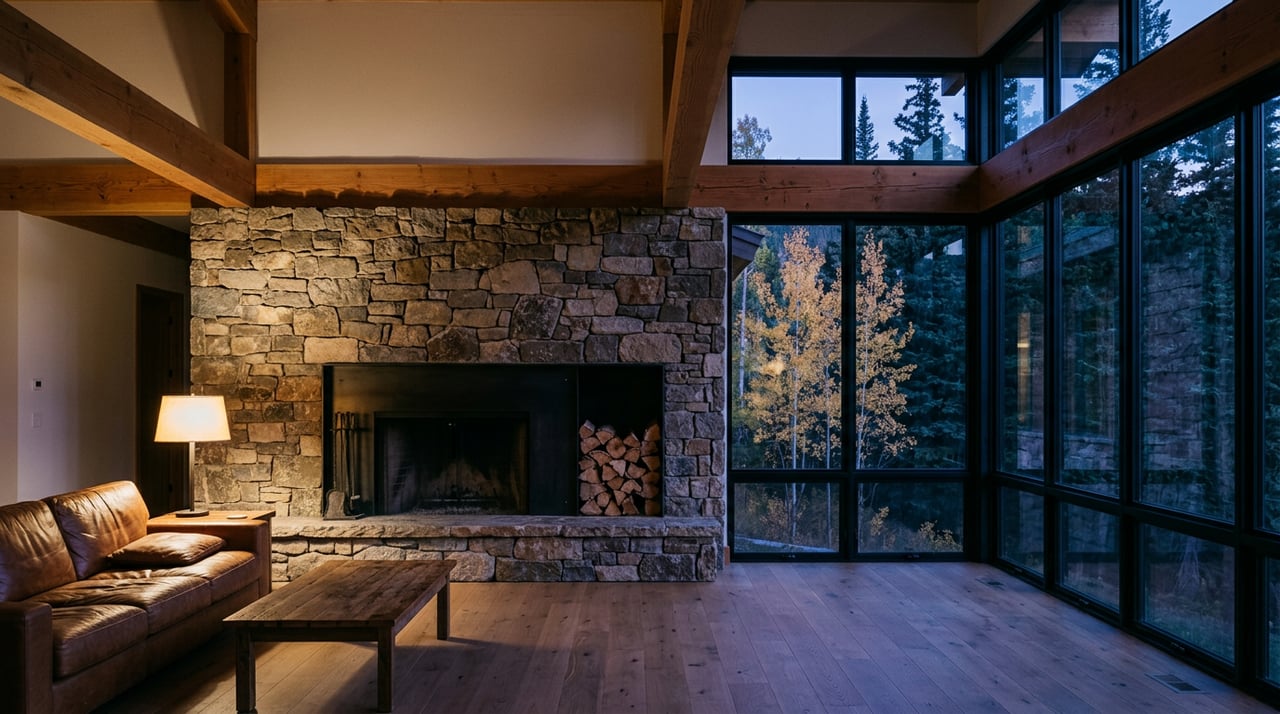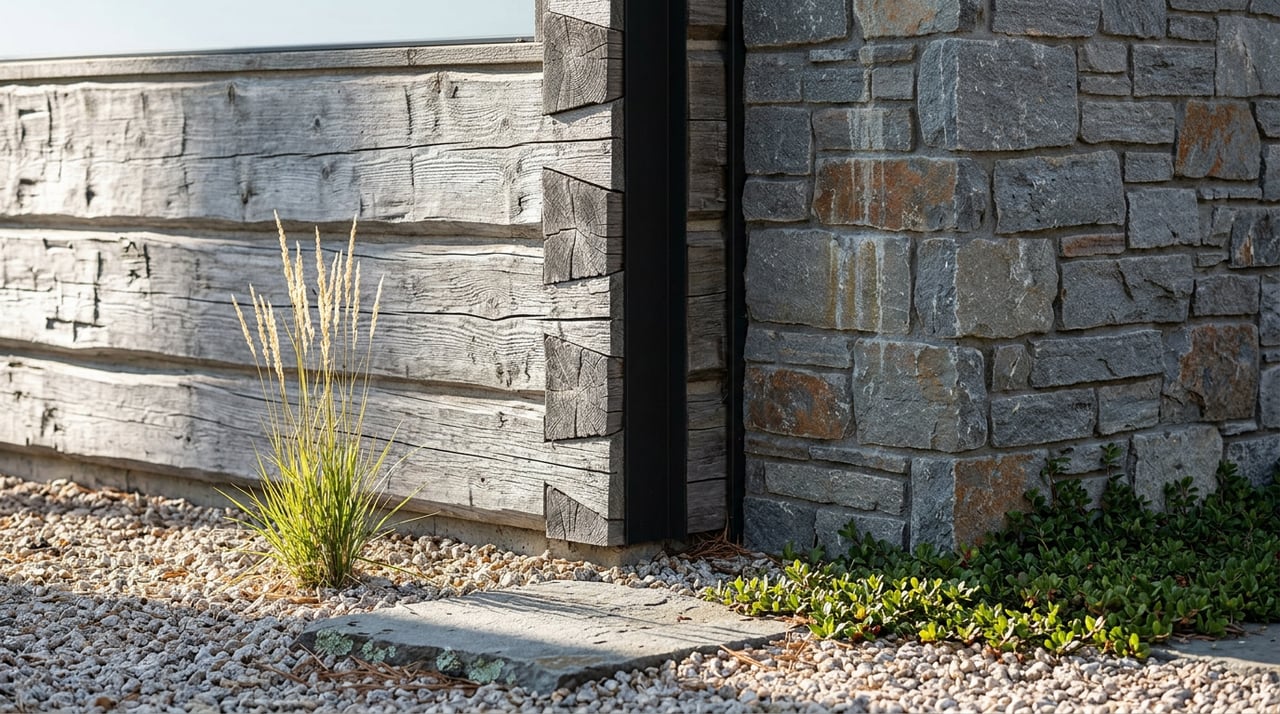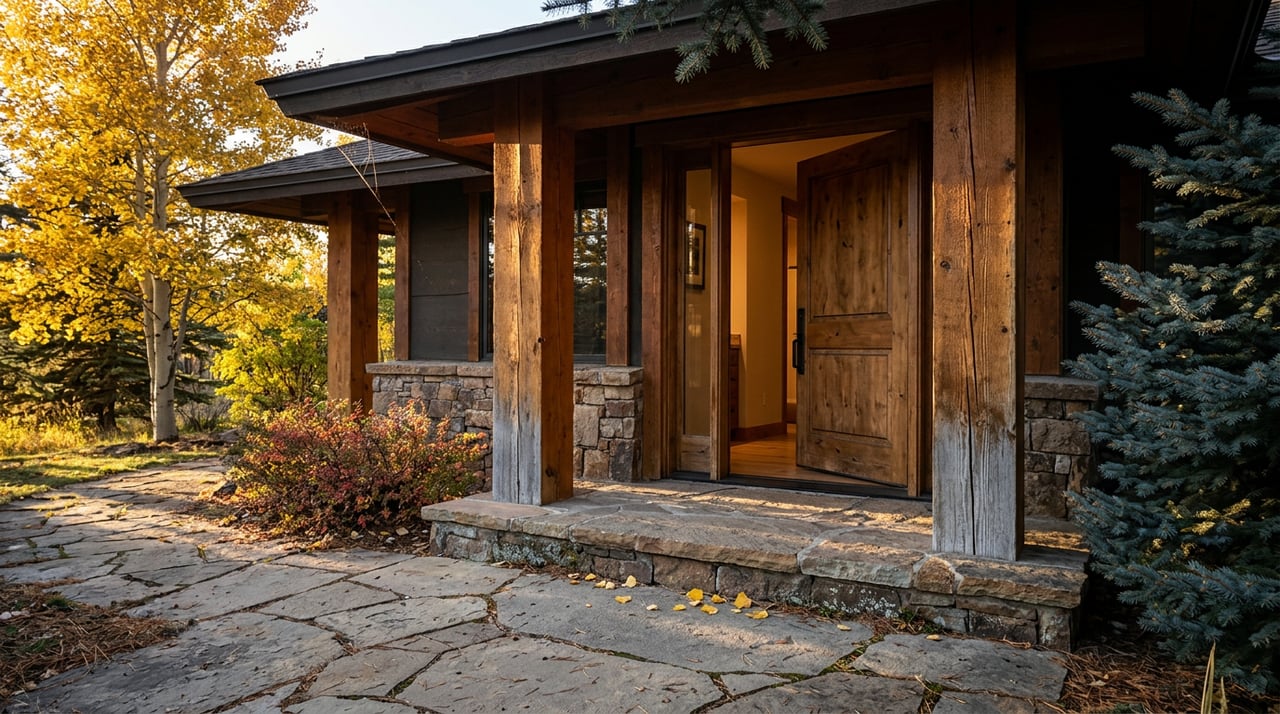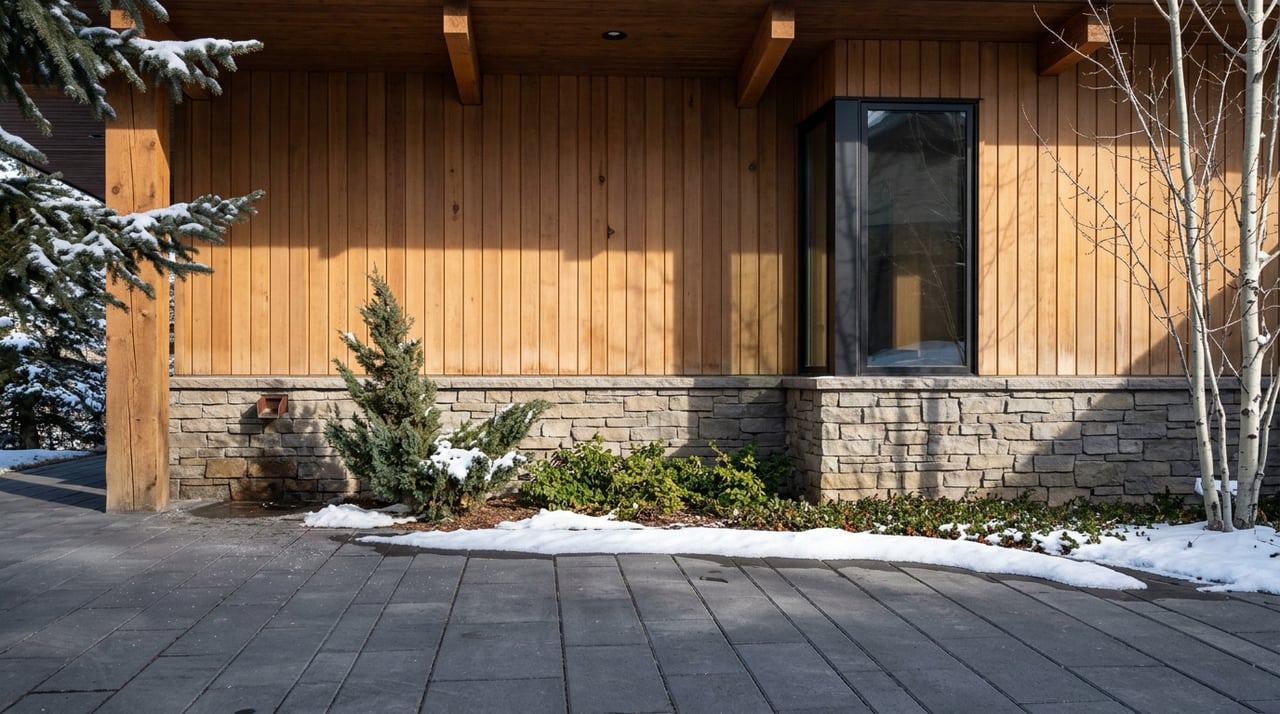
Two homes list the same week in Snowmass Village. Both are four-bedroom, both around 3,800 square feet, both furnished. One sits on Wood Road with a ski trail out the back. The other sits on Sinclair Road with a south-facing driveway and a view straight across at Mt. Daly. The Wood Road home carries a bigger sticker. The sunny-side home carries a smaller one, plus a quieter operating cost line most buyers never model.
That gap is the story of the sunny side.
The line runs along Brush Creek Road
The neighborhoods locals call "sunny side" sit on the north wall of the Brush Creek valley: Melton Ranch I and II, Wildridge, Wild Oak, and the adjacent Horse Ranch. They face south across the valley toward the Snowmass Ski Area, which puts sun on the driveway for most of a winter day. The Engel & Völkers portfolio guide describes them as older subdivisions above the Snowmass Golf Club where many originals have been remodeled or rebuilt, which is another way of saying the land is set but the built product is still turning over.
The Melton Ranch neighborhood description on file with local brokers is more direct: the area "requires less heating in the winter with quicker snowmelt due to the sunshine from phenomenal south-facing mountain views." That single sentence is the entire thesis of the sunny-side market. Everything else is evidence for it.
The premium on the ski side is priced against distance to a lift. The discount on the sunny side is priced against distance from one. Neither number reflects the operating cost of the two houses over ten winters.
What the sun actually does to the budget
Aspect is not a lifestyle detail. On a 39.22° latitude hillside at 8,200 feet, orientation shows up in four line items:
- Heating load. South-facing glazing does passive-solar work from mid-morning through afternoon. That does not eliminate a boiler bill, but it changes its slope.
- Driveway management. A south-facing asphalt or paver drive at Melton Ranch dries out on its own most of the winter. A shaded, north-facing drive on the ski side often does not, which is why so many ski-side homes carry hydronic snowmelt loops.
- Roof snow. South-pitched roofs shed. North-facing roofs hold. That drives ice-dam risk, gutter design, and, in the Pitkin County code environment, the standing-seam and heat-cable spec on a lot of ski-side remodels.
- Patio season. Sunny-side decks are usable in mid-April in shirtsleeves. Ski-side decks in shade behind Wood Road are not. For an owner-operator running short-term rentals, that is bookable shoulder-season inventory.
None of that appears on a portal summary. All of it appears in year-two ownership.
The REMP line item almost nobody prices in
Here is where the sunny-side math quietly compounds. Pitkin County has long required that energy-intensive construction, including driveways with snowmelt systems, be offset with on-site renewable energy or payments to the Renewable Energy Mitigation Program, and Aspen Journalism has reported that homes larger than 5,000 square feet or with extensive snowmelt systems are the ones most likely to trigger battery-storage requirements as well. On top of that, Snowmass Village's own Renewable Energy Offset Program requires new projects with pools, hot tubs, or snowmelt to offset 50% of the exterior energy demand with on-site renewables.
Translate that into buyer math. A ski-side, shaded lot with a 3,000-square-foot snowmelt driveway is almost forced into an offset conversation the day the plans hit permit review. A sunny-side lot where the drive melts itself by lunchtime often is not. That is not a small delta on a full remodel, and it is a delta that follows the aspect of the parcel, not the finish level of the interior.
For a sunny-side buyer, this is the friction to lead with in due diligence: verify whether the existing driveway is already permitted with a snowmelt system, whether it is active, and whether any planned scope changes would drag the property into an offset payment or on-site renewable install. That single question changes the reserve budget by tens of thousands of dollars.
The 2026 market gives sunny-side buyers a moment
Snowmass Village is not a hot market right now. It is a segmented one. The current read, using data through spring 2026:
| Metric | Value | Window | Source |
|---|---|---|---|
| Median sale price | $4,885,000 | February 2026 | Summit Colorado Realty market report |
| Median $/sq ft | $1,572 | February 2026 | Summit Colorado Realty market report |
| Months of supply | 11.1 | February 2026 | Summit Colorado Realty market report |
| Trailing 3-mo median | $2.2M | through April 2026 | Redfin market data |
| Median days on market | 51 | April 2026 | Redfin market data |
The Aspen Daily News broker column in March 2026 framed the tone plainly: not a downturn, a recalibration, with inspection periods returning as meaningful steps and appraisals carrying weight again. That is buyer language. It is also the exact market in which a sunny-side, non-ski-in property, which almost never wins a bidding war against a Wood Road ski trail lot, gets room to trade at something closer to its actual utility to the buyer.
For the buyer who lives in the house and does not need to ski onto the deck, this is the softest sunny-side entry point in three years.
What "no ski-in" actually costs on the sunny side
The counterweight is honest and worth stating. Sunny-side homes do not touch a lift. Access to Base Village runs through the free Village Shuttle, which loops Meadow Road and Sinclair Road through Melton Ranch, the Aspen School District bus, or the Dial-a-Ride service. The Melton Ranch Trail, groomed in winter, connects to the Town Center and Base Village and is skate-skiable home from the village. In summer, the same trail links into the Rim Trail and the Brush Creek Trail via Wood Bridge, and the Snowmass Rec Center sits a short ride down the Brush Creek path.
Drive time from Melton Ranch to the Elk Camp Gondola at Base Village is a matter of minutes. For a family that skis three to twenty days a season, a five-minute shuttle is not a meaningful lifestyle penalty. For a short-term rental positioned to guests who booked expecting to ski from the door, it is a positioning problem the listing has to solve honestly.
Below the sunny-side neighborhoods you also get proximity that ski-side buyers pay a premium to visit: The Snowmass Club with its Jim Engh links-style course, the Snowmass Chapel, and the Anderson Ranch Arts Center, whose summer workshops in ceramics, sculpture, photography, printmaking, and painting anchor a lot of the shoulder-season cultural calendar.
Underwriting the sunny-side purchase
Before writing an offer on a Melton Ranch, Wildridge, Wild Oak, or upper Horse Ranch home, work through these:
- Confirm actual solar aspect on the parcel. True south versus southeast versus southwest matters. A parcel behind a ridgeline that shades until 10 a.m. is not the sunny side, regardless of subdivision.
- Pull driveway permit history and REMP status. Ask whether the drive is snowmelt-equipped, whether the system is active, and what any prior REMP or REOP payments or offsets covered.
- Read the HOA covenants on rooftop solar. Sunny-side aspect is only useful if the covenants let you put an array on it. Some of the older Snowmass subdivisions have restrictive language that has not kept pace with Holy Cross Energy's PuRE program economics.
- Verify short-term rental permit category. Sunny-side single-family homes fall under a different STR regime than Base Village condominium product. Rental math built off a Viceroy or Aura comp does not port.
- Model the shuttle stop distance in feet, not blocks. For a rental listing, the walk from door to the closest Village Shuttle stop is what a guest will read into your five-star reviews.
- Inspect the roof for aspect-specific wear. South-facing shingles and stains age faster in UV. North-facing sections hold ice longer. Both belong in the inspection scope.
FAQ
Is the sunny side actually cheaper per square foot than the ski side? Not uniformly. In the current segmented 2026 market, top-tier ski-in inventory is still pricing above the Snowmass Village median of $1,572 per square foot as of February 2026, while non-ski-access sunny-side single-family stock more often sits below it. The delta is a specific-property question, not a subdivision-wide rule.
Does south-facing exposure meaningfully lower a heating bill in Snowmass? It changes the shape of the load rather than eliminating it. Passive solar gain reduces daytime demand on the boiler. Nights at 8,200 feet still cost what they cost.
Do REMP obligations transfer to a new owner? Any pre-existing offset payment is closed. Future scope, including adding or expanding a snowmelt driveway, pool, or hot tub, resets the calculation and belongs in a pre-offer conversation with the county and the seller.
If you are weighing a sunny-side home against a ski-side comp this cycle, the reserve budget, the rental positioning, and the REMP exposure are the three numbers to model before the price. Lindsey Lane Bush runs that underwriting for buyers considering Melton Ranch, Wildridge, Wild Oak, and Horse Ranch. Schedule a free consultation to work through the specifics on a property you're watching.