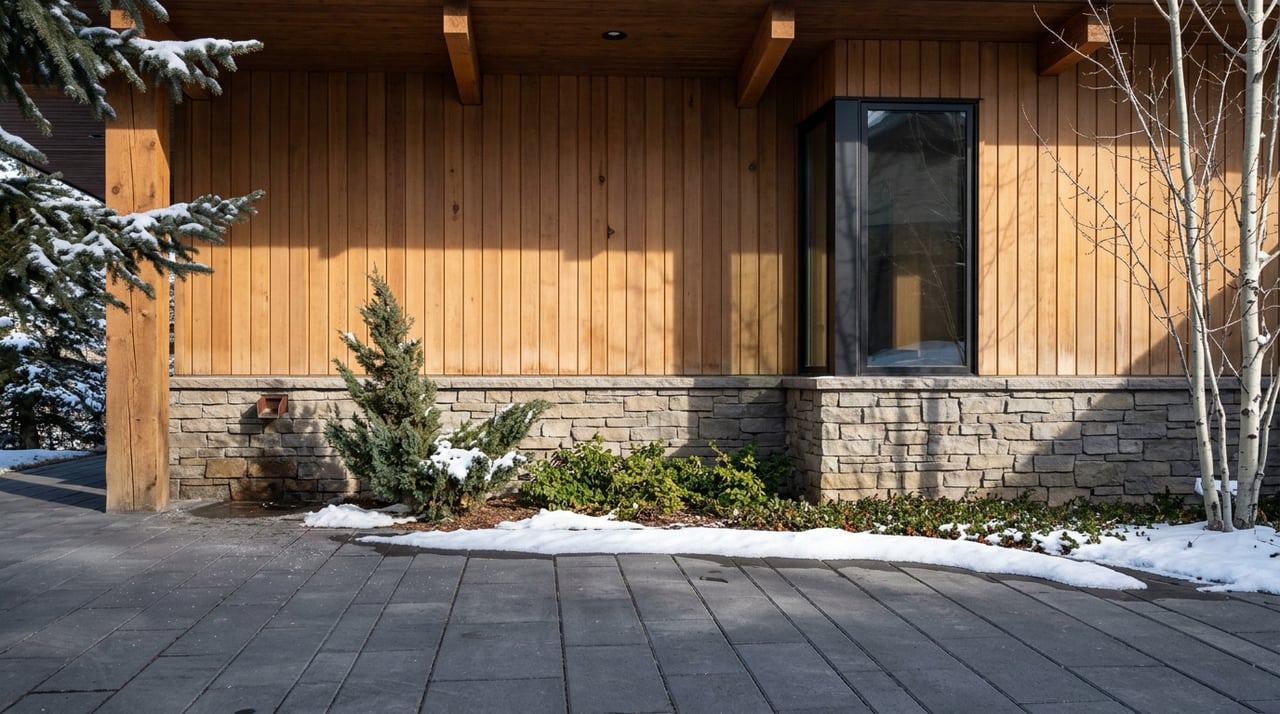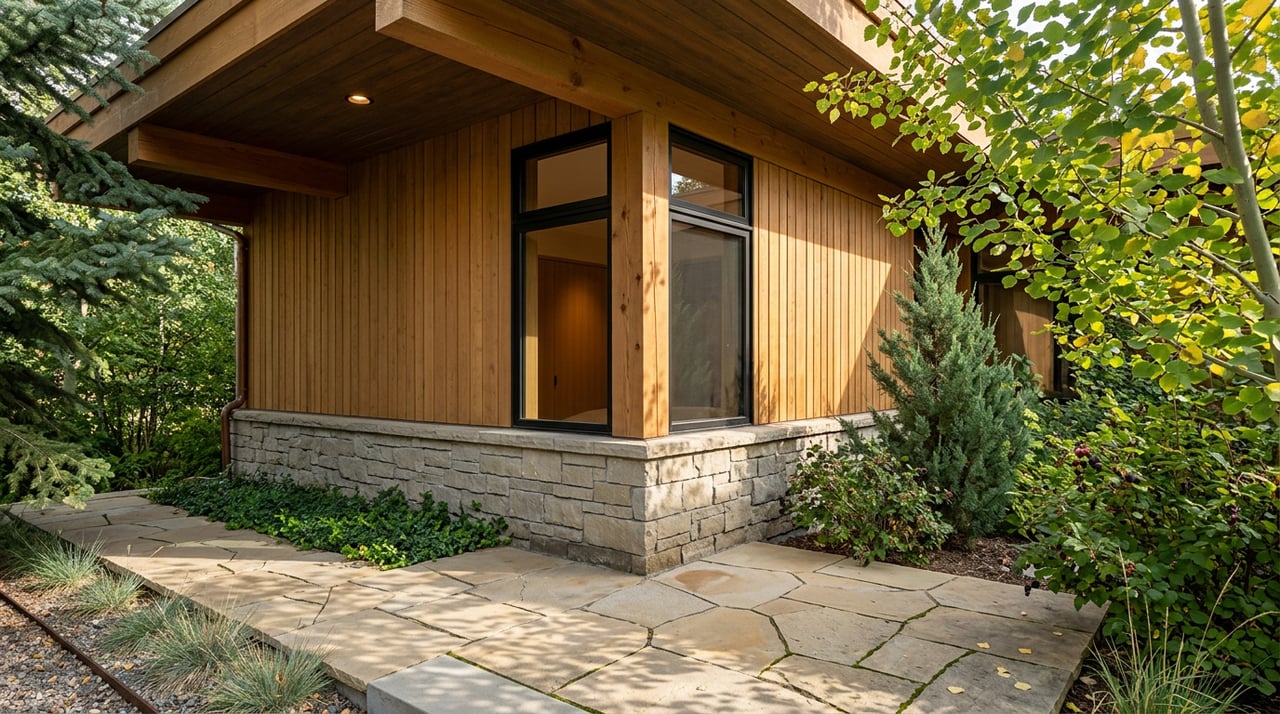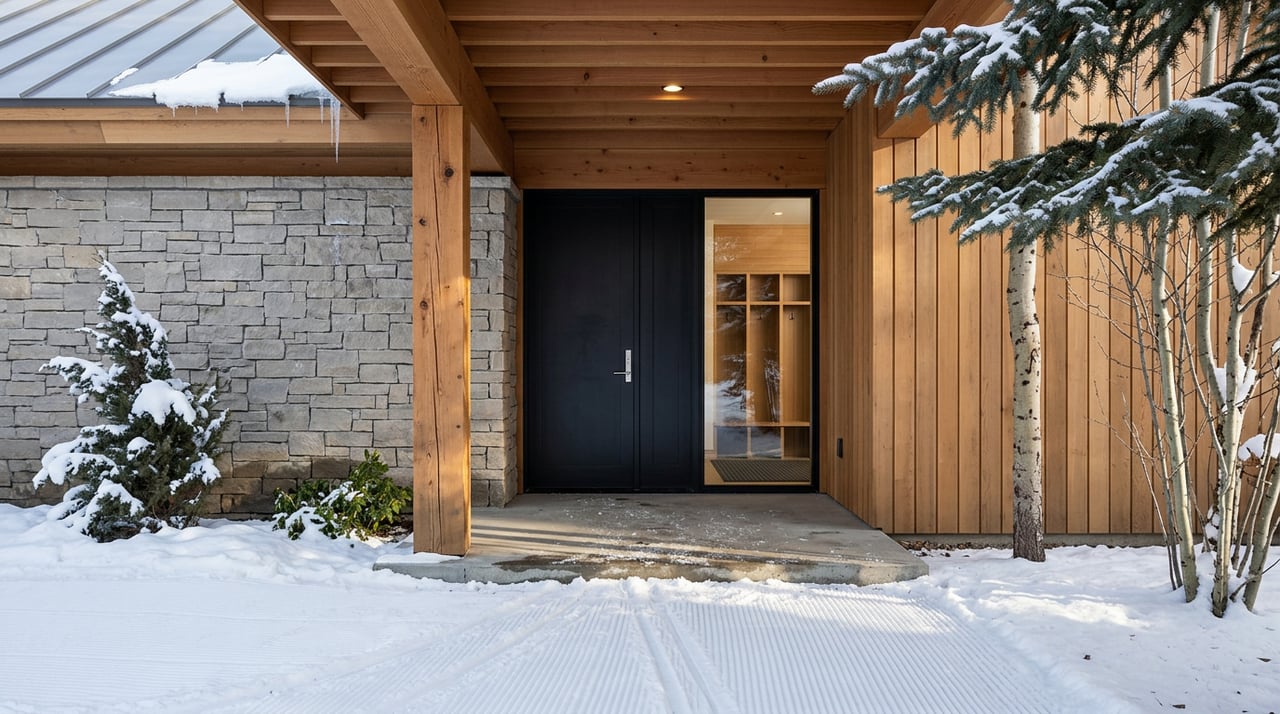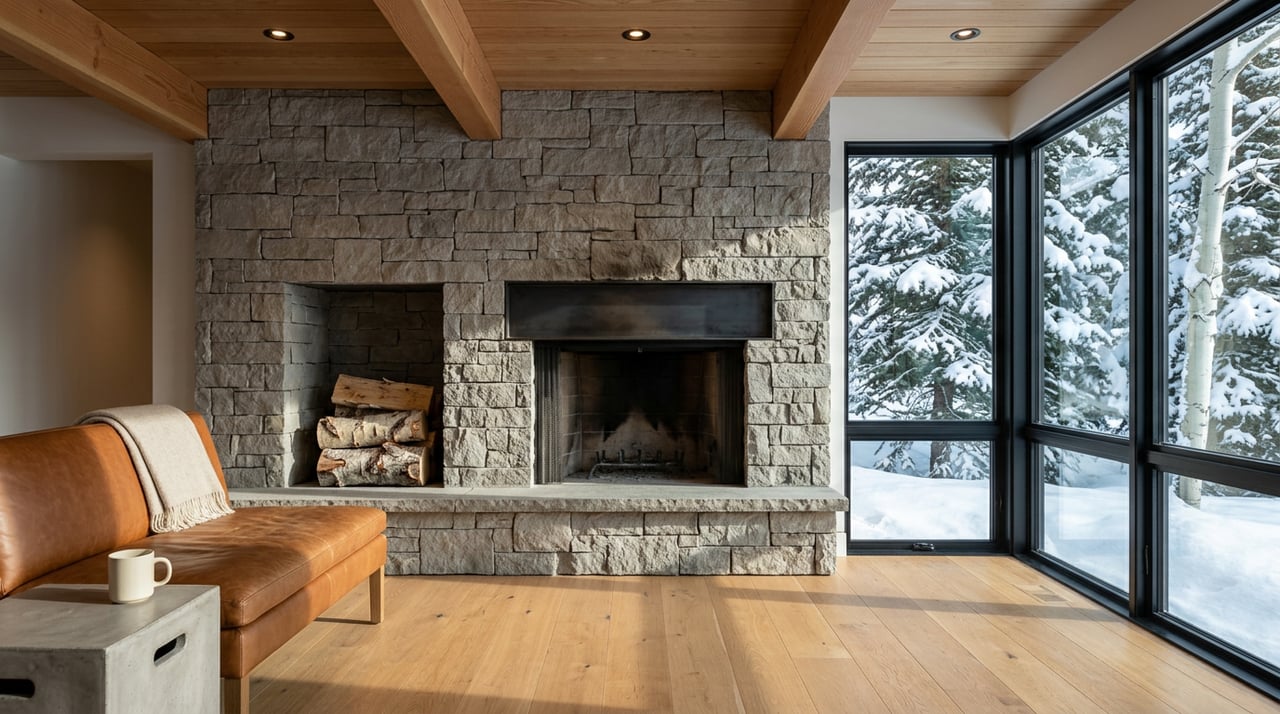
Two homes on the same Aspen road, similar vintage, similar finish, priced within a rounding error of each other. One closes with a transfer-tax line near $36,000. The other closes with a transfer-tax line of zero. Nothing about the houses explains the gap. The gap is a line on an annexation map that most buyers never see until the title company sends over the settlement statement.
That line is the thesis of this post. In the Aspen market, the single largest negotiable variable at closing often has nothing to do with price per square foot, days on market, or inspection findings. It is jurisdiction. And it is decided parcel by parcel, sometimes lot by lot on the same street.
The mechanism, in one paragraph
The City of Aspen collects two separate Real Estate Transfer Taxes on conveyances inside city limits. A 0.5% RETT dedicated to the Wheeler Opera House and the visual and performing arts was first levied January 1, 1979 and has been extended by voters through December 31, 2039. A separate 1.0% Housing RETT brings the combined rate to approximately 1.5% of the closing price payable by the buyer, with the first $100,000 of the transaction deducted before the housing portion is applied. The purchasing party is responsible for paying the RETT, and failure to pay can result in the City filing a lien against the property. Pitkin County itself does not impose a transfer tax. Cross the city line, and both charges disappear.
Under TABOR, no new Real Estate Transfer Taxes can be adopted in Colorado; existing taxes can only be extended or modified by voter approval.
That constraint matters. The map of who pays what will not expand. It will only contract, if a community ever lets a RETT sunset. For the foreseeable future, the current boundary is the boundary.
Where the answer flips
The neighborhoods below sit within a short drive of one another. Some are inside city limits and carry the full 1.5% RETT. Some are in unincorporated Pitkin County and carry none of it. A handful straddle the line.
- Inside city limits, RETT applies: Five Trees, originally in Pitkin County and later annexed to the City; Maroon Creek and Aspen Highlands, both annexed, with Highlands including Thunderbowl Townhomes as a special district; Red Butte Drive; McSkimming and Eastwood.
- Unincorporated Pitkin County, no RETT: the Aspen Highlands/Glen Eagles Drive area, which sits in the Moore PUD; Meadowood, where Pitkin County also allows an additional 2,528 sq ft of floor area per property as its pro rata share of Meadowood Open Space; Mountain Valley, which is county land zoned R15A.
- Boundary parcels, verify per address: Red Mountain splits between the City on the lower slope and Pitkin County on the upper, with the Rio Grande Trail serving as a rough border that should always be confirmed. Knollwood splits similarly, with north-of-Highway-82 parcels generally carrying a RETT and some south-side river parcels not.
The pattern to notice: annexation history, not geography, drives the answer. Five Trees looks like a county neighborhood on a map and pays like a city one. Meadowood sits closer to town in feel and pays like a county parcel. The Highlands base area pays the full RETT and also carries higher property taxes than most Aspen areas because the developer, Hines Development, had to form the Aspen Highlands Metro District in the late 1990s to secure development approval, and that district still services bond payments and a year-round bus and taxi shuttle to Aspen. Two friction sources, layered on one address.
What the dollars actually look like
Consider a $2,500,000 sale, buyer paying customary charges, no assumed loans.
| Line item | In city limits (e.g., Five Trees) | Unincorporated county (e.g., Meadowood) |
|---|---|---|
| Wheeler RETT (0.5%) | $12,500 | $0 |
| Housing RETT (1.0% after $100K exclusion) | $24,000 | $0 |
| State documentary fee (0.01%) | $250 | $250 |
| County recording fee | $43 | $43 |
| Buyer total at this line | ~$36,793 | ~$293 |
The math on the housing portion follows the Aspen ordinance, which subtracts $100,000 from the total consideration before multiplying by 0.01. The state documentary fee and recording fee apply everywhere in Colorado. Colorado does not charge a statewide real estate transfer tax; only select resort towns like Aspen and Vail apply local transfer taxes between 1% and 3%. Effective July 1, 2025, most Colorado counties charge a flat $43.00 per document to record the deed, regardless of page count.
The interpretive point is simple. On this hypothetical, the jurisdiction line is worth roughly 1.46% of the purchase price to the buyer in cash on closing day. On a $6M house, it is closer to $89,000. That is not a rounding error. It is a material term that never appears in the MLS description.
Where does the money go once collected? Aspen directs RETT revenue to affordable housing, including a 79-unit project and the 280-unit, $390 million Lumberyard housing project set to break ground in 2026. In November 2021, voters expanded the Wheeler RETT's use to include arts programming at the Red Brick Building and removed the previous $100,000 cap on arts grants funded by that tax. Whether or not a buyer supports those uses, the checks are large and the destination is public record.
Snowmass is a different rulebook
Buyers cross-shopping Snowmass Village need to reset their expectations, not carry over the Aspen math. The Town of Snowmass Village imposes a 1.0% transfer tax, and the Snowmass Base Village metro district adds an additional 1.0%, bringing the Base Village total to 2.0%. The line here is not the city limits of Aspen. It is the boundary of the Base Village metro district inside Snowmass.
Practically, that means a condo one block outside Base Village and a condo inside Base Village can carry a 1.0% difference at closing on top of any HOA and REMP considerations. On a $3M unit, that is $30,000 the buyer pays once and never sees again. A limited number of RETT exemptions are permitted under Snowmass Village Municipal Code Section 4-95, and buyers who believe they qualify must submit a RETT Exemption Form.
For buyers who have been reading Snowmass rental economics, this stacks on top of the sunny-side driveway and REMP items already in play, and the answer to "which building" often changes once the transfer tax and metro district lines are drawn on the same map.
What to do before you sign
The verification work costs nothing and takes an hour. It is the single highest-leverage exercise a buyer can run between offer and contract.
- Get the parcel jurisdiction in writing from the title company. The MLS field can be wrong. The county assessor's parcel record and the title commitment govern.
- Ask specifically about annexation history. Neighborhoods like Five Trees and Aspen Highlands read as county on old maps and pay as city today.
- Check for overlaying metro districts. Aspen Highlands and Snowmass Base Village both add costs that a raw RETT rate misses.
- On boundary parcels, request a written confirmation, not a verbal. Red Mountain and Knollwood both have addresses where the answer flips within a few hundred feet. The Rio Grande Trail is a rough border on Red Mountain and should always be confirmed.
- Confirm any claimed exemption early. Clear title requires a completed computation or exemption form, the signed deed to be filed with the Pitkin County Clerk and Recorder, a TD-1000 if it is a for-consideration conveyance, and supporting documents such as operating agreements, trust documents, or death certificates.
- Model both scenarios in your offer math. If you are choosing between an in-city and a county parcel at similar list prices, the after-tax cost delta may justify raising your offer on the county property or asking for a concession on the city one.
None of this is legal or tax advice. It is transaction hygiene. The people who owe you a written answer are the title officer and, where warranted, a Colorado real estate attorney.
FAQ
Is the RETT ever paid by the seller? By local ordinance, responsibility for paying the RETT falls on the purchasing party, which is typically the buyer. Contracts can allocate the cost differently by negotiation, but the City's collection lien attaches to the property regardless of side-agreement.
Do deed-restricted affordable units pay the housing RETT? No. All existing affordable deed-restricted housing units are exempt from the Housing RETT. That is a narrow exemption and does not extend to free-market resales inside city limits.
Could the Aspen RETT sunset and go away? Not on any near horizon. The Housing RETT includes a sunset that, unless extended by voter approval, will expire after December 31, 2040, and the Wheeler portion runs through 2039. Both have been extended repeatedly by Aspen voters. And under TABOR, if either lapses, it cannot be reintroduced later.
Does the $100,000 exclusion apply to both RETTs? No. It applies only to the 1.0% Housing portion. The 0.5% Wheeler RETT is calculated on the full consideration.
Where is the authoritative source for city rules and exemptions? The City of Aspen publishes the framework at aspen.gov/1428/Real-Estate-Transfer-Taxes, and the Town of Snowmass Village publishes its version at tosv.com/468/Real-Estate-Transfer-Taxes. The Wheeler Opera House also documents the history of the 0.5% tax at wheeleroperahouse.com.
If you are working through an offer on a Red Mountain, Knollwood, or Highlands parcel and want the jurisdiction question answered in writing before you sign, Lindsey Lane Bush can pull the parcel record, confirm the RETT posture with title, and model the after-tax cost side by side with any comparable you are considering. Schedule a free consultation, and bring the addresses.